Industry outlook

An emerging technology.
A practical direction.

Sodium-ion is progressing through several stages at once: fundamental research, new manufacturing processes, product development and commercial expansion. Reading those stages separately makes the opportunity clearer. The milestones below are dated to their source publications, so a research target or an announced factory is not mistaken for completed sales.

Evidence reviewed 19 October 2026 · Dated industry context, not a live news feed.

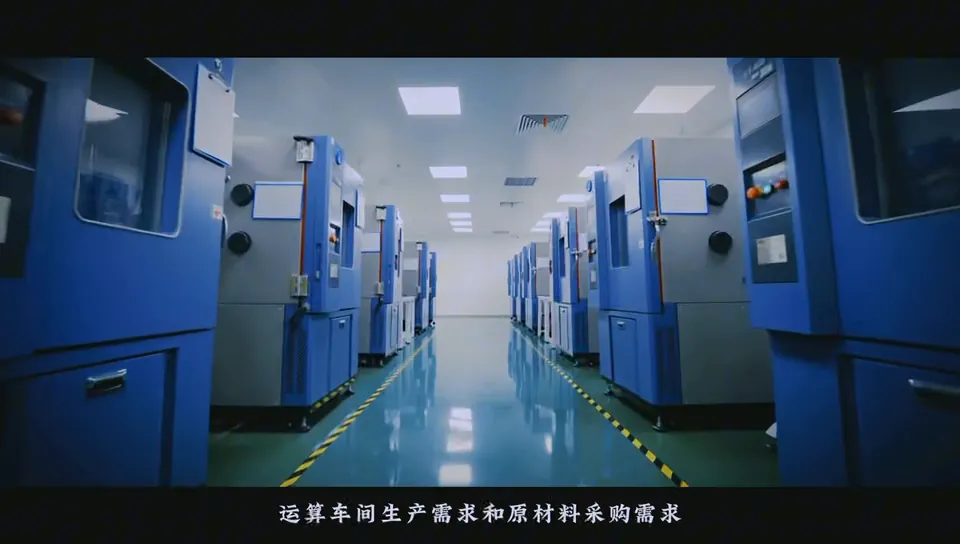
Automated manufacturing environment in Veken’s Nanchang factory
Veken, Nanchang · Broader sodium-ion manufacturing

Research · industry · manufacturing

Progress has more
than one measure.

Scientific demonstrations, factory developments and commercial announcements each tell a different part of the story.

  1. Aug 2026
    Veken company disclosure

    Starter-power families move through channel validation

    Veken’s interim report described completion of E, HB and UB family development and Southeast Asian channel validation. The report then identified conversion of technical progress into orders and larger-scale shipments as a subsequent objective. This distinguishes reported development progress from future sales ambitions.

    [16] Sources

  2. Apr 2026
    Manufacturer roadmap

    Industrialisation and production targets are distinct

    CATL reported GWh-level sodium-ion industrialisation and targeted full-scale mass production by the end of 2026. This provides a dated example of the wider industry moving beyond laboratory work. The announced target remains a target in that release; it is not a Winnar specification or supply relationship.

    [17] Sources

  3. Feb 2026
    Industry assessment

    Momentum with room to scale

    IEA reported that global sodium-ion production in 2025 remained below 1% of lithium-ion production. It identified growing investment alongside less-developed supply chains and chemistry-dependent mineral needs. The technology has room to expand, while manufacturing maturity remains a practical consideration for buyers.

    [3] Sources

  4. Jul 2025
    Research programme

    A coordinated effort across the whole cell

    PNNL described the DOE-funded LENS consortium, launched in November 2024 with six national laboratories and eight universities. Its work links cathodes, anodes, electrolytes and interfaces, with prototype development ahead. This is a signal of sustained research investment; its performance goals remain research objectives.

    [8] Sources

  5. Jul 2022
    Laboratory research

    Electrolyte engineering opens another development path

    PNNL reported a laboratory sodium-ion design using a revised electrolyte to improve electrode-interface stability and cycling behaviour. The broader lesson is that performance depends on the full cell formulation, not the sodium label alone. Laboratory progress can guide future engineering without setting the service life of a finished motorcycle battery.

    [9] Sources

The next stage

What deserves
attention now.

Watch engineering progress, not one headline number

Useful progress includes stable electrodes, better electrolytes and dependable manufacturing, as well as higher energy density. PNNL’s electrolyte research illustrates how changes inside the cell can influence ageing. For a starter-battery range, turn these developments into questions about the delivered product, its test conditions and its consistency between samples.

[9] Sources

Scale can help, but cost is a moving target

A 2025 Nature Energy analysis explored sodium-ion cost competitiveness through multiple technology and supply-chain scenarios. Its comparison concerned lithium-ion, and the outcomes depended on future progress. For importers, this supports tracking an evolving technology while making present purchases against current prices and documented specifications.

[15] Sources

Follow the battery from development to delivery

Veken’s reporting provides useful milestones to follow: product-family development, channel validation and the next step toward larger-scale orders. For a new commercial programme, ask which configuration is currently supplied and which documents accompany it. Keep the manufacturer’s future plans separate from the features included in today’s quotation.

[16] Sources

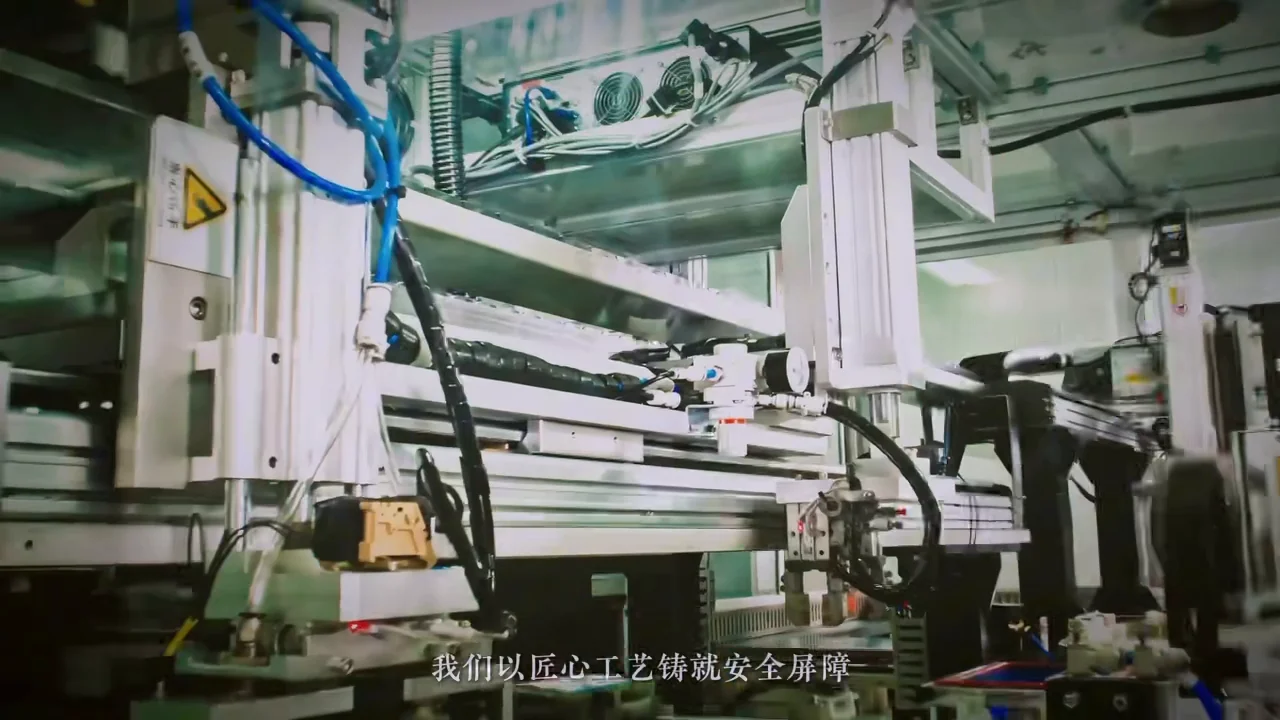
Production equipment in Veken’s technology video
Manufacturer video V05 · Production equipment

For overseas distribution

Build understanding.
Then build the market.

A useful launch starts with clear explanations and a focused sample programme. Teach the chemistry, explain the comparison honestly and connect each technical claim to the supplied battery.

Discuss your market ↗

Open the evidence

Read the original sources.

Company disclosures, official guidance and independent research, with their dates and scope.

Sources & further reading

IRENA · Sodium-ion batteries: A technology brief · 2025-11
Technology overview, pp. 8, 10, 12 and 16–19. Broad chemistry comparisons and development potential; not a Winnar pack test. Checked 2026-10-15.

Finsterle et al. · Experimental sodium-ion starter-pack study · 2026-06-03
Independent 4s11p experimental pack; 200 A, 3-second pulses from +25 to −15°C. Results depend on temperature and charging voltage; no Winnar product was tested. Checked 2026-10-15.

IEA · Sodium-ion battery momentum grows, but challenges remain · 2026-02-17
Material choices, emerging supply chains and cost context. Cost discussion mainly compares sodium-ion with lithium-ion; it is not a sodium-versus-lead-acid price quotation. Checked 2026-10-15.

GS Yuasa · Motorcycle battery care & maintenance · 2024-09-17
Official lead-acid care and vehicle-system matching guidance. Its lead-acid voltage and storage instructions are not sodium-ion instructions. Checked 2026-10-15.

GS Yuasa · Introduction to VRLA batteries · 2024-09-20
Sealed lead-acid designs avoid the distilled-water top-ups associated with traditional flooded lead-acid batteries. Routine checks remain relevant. Checked 2026-10-15.

US Department of Energy · DOE Explains… Batteries
General rechargeable-battery explanation: energy storage, electron flow through the circuit and ion movement through electrolyte. The page displays no publication date. Checked 2026-10-19.

US Department of Energy · Sodium Batteries Technology Strategy Assessment · 2023-07
Printed pp. 1–4: ambient-temperature sodium-ion, molten sodium systems, insertion chemistry and cathode routes. Historical supplier examples are not presented as current. Checked 2026-10-19.

PNNL · New DOE-funded consortium advances sodium-ion technology · 2025-07-23
First-party research programme report: LENS launched in November 2024, combining six national laboratories and eight universities. Prototype targets remain research objectives. Checked 2026-10-19.

PNNL · Longer Lasting Sodium-Ion Batteries on the Horizon · 2022-07-13
Laboratory electrolyte and electrode-interface research. Demonstrates why formulation matters; no cell-cycle result is transferred to a Winnar starter pack. Checked 2026-10-19.

Texas Instruments · Battery protectors
General explanation of protection electronics and differing protection functions. TI components and reference designs are not identified as fitted Winnar components. Checked 2026-10-19.

Texas Instruments · Battery monitors & balancers
General multi-cell battery-system context. No component or balancing feature is identified as fitted to the Winnar pack. Checked 2026-10-19.

Argonne National Laboratory · LENS research and programmes
First-party research roadmap identifies layered and polyanion cathodes as separate sodium-ion development directions. Official indexed text checked; direct fetch was unavailable. Checked 2026-10-19.

GS Yuasa · Battery application and specification guide · 2015-04
Historical manufacturer guide, printed pp. 377–379: Ah, CCA, rating standards and dimensions. Used for the distinction between capacity and starting current, not current standard compliance or cross-chemistry conversion. Checked 2026-10-19.

Saft · How to read and interpret a battery’s datasheet · 2020-09-29
Manufacturer explanation of interpreting load, capacity and temperature curves. Examples concern other battery applications; only the general specification-reading method is used. Official indexed text checked; direct fetch timed out. Checked 2026-10-19.

Yao et al. · Sodium-ion technology roadmaps and techno-economic competitiveness · 2025-01-13
Original Nature Energy scenario analysis against lithium-ion, not lead-acid. Cost competitiveness depends on technology, market and supply-chain assumptions. Publisher-indexed abstract and original-paper repository copy checked. Checked 2026-10-19.

Veken Technology · 2026 interim report · 2026-08-25
Page 7 discusses industry ramp-up and elevated costs; company context, not a retail-price comparison. Checked 2026-10-15.

CATL · Super Technology Day sodium-ion manufacturing update · 2026-04-21
First-party industry announcement: GWh-level industrialisation and full-scale mass-production target for end-2026. A supplier roadmap, not proof that the target has been completed or that CATL supplies Winnar. Checked 2026-10-19.

Winnar · Supplied protection configuration
Owner-confirmed overcharge-protection function; request the current configuration. PCB rendering is illustrative. This is a supplied-product statement, not third-party certification. Checked 2026-10-19.